Just a few years ago, Fadogia agrestis was known only to botanists and ethnopharmacologists, but today it is part of many «men's» supplements. The editorial team traced how a West African plant made the journey from folk medicine to the world market and what science actually knows about its effectiveness and safety.
A Plant from the West African Savanna
Fadogia agrestis (Fadogia agrestis) is a small shrub of the madder family (Rubiaceae) that grows in the savannas of West and Central Africa, in particular in Nigeria. For most of the world, this plant was, until ten years ago, known perhaps only to botanists and researchers of African ethnobotany.
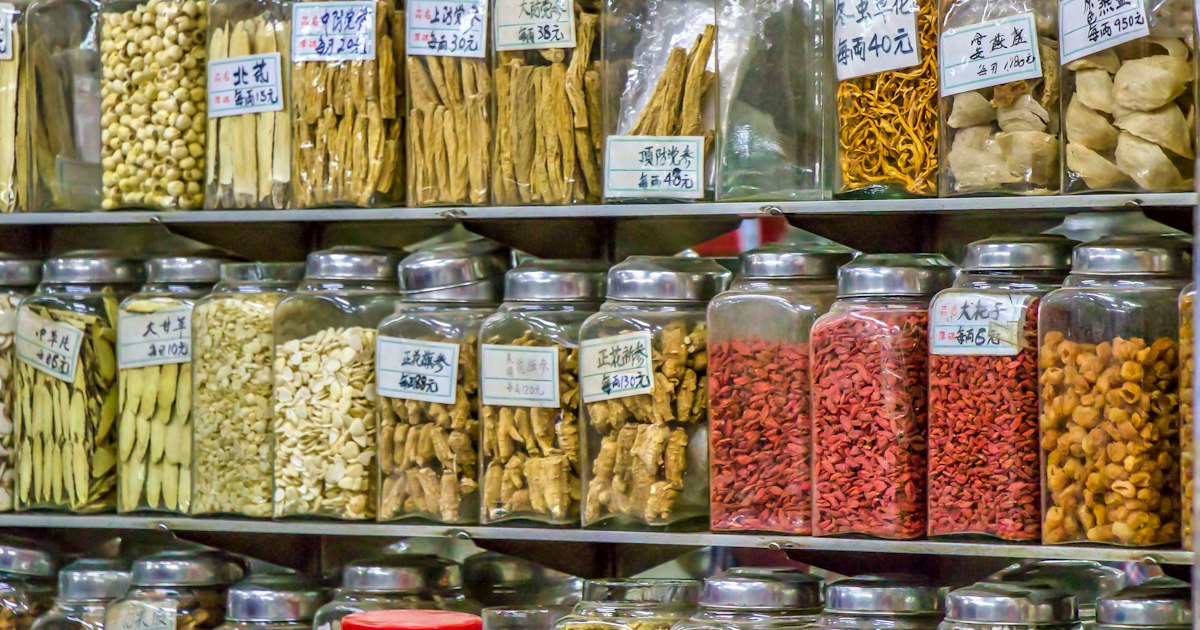
In the region's folk medicine, the stems and roots of fadogia were used as a means to increase libido and for erectile dysfunction in men. Its place in the traditional pharmacopoeia is mentioned in reference books on useful plants of West Africa, in particular the classic work by Burkill devoted to the plants of this region.
Traditional use is an important starting point for science, but not proof of effectiveness. Folk medicine accumulates observations over centuries, yet without controlled studies it is impossible to distinguish a real effect from placebo, coincidence, or cultural expectations. The history of fadogia illustrates this gap well.
Below, the editorial team traces how a plant from local folk medicine reached laboratories, and from there — the shelves of sports nutrition all over the world.
Nigerian Studies in Rats
The scientific history of fadogia is largely associated with one research group from the University of Ilorin in Nigeria — Musa Yakubu and colleagues. In the early 2000s they began systematically studying the aqueous extract of the fadogia stem in laboratory rats.
In a study published in the Asian Journal of Andrology (Yakubu et al., 2005), male rats were given the extract in several doses calculated per kilogram of body weight. The authors reported enhanced indicators of sexual behavior and an increase in blood testosterone levels in the animals compared with the control group. It was precisely this work that later became the main argument for marketing the supplement.
However, already in subsequent works by the same group, alarming signals appeared. In an article in the Journal of Ethnopharmacology (Yakubu et al., 2008), the researchers assessed indicators of testicular function and reported changes that may indicate an adverse effect of the extract on testicular tissue. That is, even the authors who first described the «prohormonal» effects drew attention to possible risks.
This same group published a review of methods for evaluating plants with aphrodisiac potential (Yakubu et al., 2007), in which fadogia appears among the objects of study. It is important to emphasize: all the key data were obtained in animals, and the studies were small and conducted mainly by a single laboratory.

How an Unknown Plant Became a Trend
For over a decade, studies in rats remained niche publications. The situation changed sharply in the early 2020s, when fadogia began to be discussed in popular English-language podcasts about health and «optimization» of the body. One of the best-known voices was the neuroscientist Andrew Huberman, who spoke about fadogia together with tongkat ali as agents that, in his words, may affect luteinizing hormone and testosterone.
Characteristically, these discussions also included warnings about possible toxicity to the testes, indicated by animal studies. However, on the wave of interest the nuances were lost: social media picked up the main message about «natural testosterone boosting», and manufacturers quickly responded with new products.
Within a few years, fadogia turned from a little-known plant into a common ingredient of «men's» formulas and testosterone boosters. It is sold both separately in capsules and in combinations with tongkat ali, zinc, boron, and other components. Demand developed much faster than the scientific base.
This scenario resembles the history of boron and tribulus: one or two encouraging publications, a loud media source, and then — a mass market on which the standardization of raw material and quality control lag behind demand.
| Stage | Source of «reputation» | Quality of evidence |
|---|---|---|
| Folk medicine | Traditional use as an aphrodisiac | Observations without controls |
| 2005 study | Rats, increase in testosterone and sexual activity | Preclinical data from one group |
| 2008 study | Changes in testicular function indicators in rats | Safety signal |
| Podcasts and social media | Popularization among a wide audience | Not scientific evidence |
| Human studies | Controlled clinical trials are lacking | Absent or limited |
What Science Lacks Today
The main gap is the absence of high-quality randomized controlled studies in humans. As of the time this material was prepared, the editorial team is not aware of published large clinical trials that would confirm the effect of fadogia on testosterone, libido, or athletic performance in humans.
Data in rats cannot be mechanically transferred to humans. The doses in the studies were calculated per kilogram of the animal's body weight, the extracts were prepared under laboratory conditions, and the metabolism of rodents differs substantially from that of humans. The fact that testosterone indicators rose in rats does not mean the same will happen in a human — and at what dose.
The second problem is standardization. On the market, extracts are sold with different ratios of raw material, from different parts of the plant, and without indicating the content of active substances, which, by the way, have not been reliably established. Therefore two products labeled «Fadogia agrestis» may differ substantially in composition.
The third is safety. Signals regarding the effect on testicular tissue in animals have not been properly studied in humans. For a supplement positioned specifically for male reproductive health, this is an especially serious issue.
What the Consumer Should Know
The history of fadogia teaches one to be critical of «trendy» supplements. Popularity on social media and in podcasts does not replace clinical studies, and the absence of evidence of harm does not equal evidence of safety. This is especially true of plants for which there are already alarming preclinical signals.
Athletes who undergo doping control should also take into account the risk of contamination. The IOC consensus (Maughan et al., 2018) and the study by Geyer et al. (2004) show that some supplements, especially «hormonal» ones, were found to contain undeclared anabolic steroids. Fadogia itself is not on the WADA Prohibited List, but a product may contain foreign substances.
If the reason for interest in fadogia is symptoms of low testosterone — fatigue, decreased libido, poor recovery — it is more rational to start with an examination. The clinical guidelines of the Endocrine Society (Bhasin et al., 2018) describe how to correctly diagnose testosterone deficiency using repeated morning tests.
- Data on the effectiveness of fadogia were obtained mainly in rats.
- In animals there are signals regarding a possible adverse effect on the testes.
- Standardized extracts and human RCTs are lacking.
- Symptoms of low testosterone are a reason for tests and consultation with a doctor, not for independent experiments.
Editorial Conclusions
Fadogia agrestis made the journey from a means of West African folk medicine to a popular ingredient of testosterone boosters thanks to a few studies in rats and media popularity in the early 2020s.
The scientific base remains narrow: preclinical data from a single group of researchers, the absence of high-quality clinical trials in humans, and signals regarding possible toxicity to the testes in animals.
The editorial team advises not to perceive popularity as proof and to discuss any «hormonal» supplements with a doctor.
We also recommend reading our materials «The History of Boron: How the Supplement Became Popular», «Boron for Bulking: Does It Make Sense», and «How to Choose Quality Boron: What to Look for on the Label».
References
- Yakubu MT, Akanji MA, Oladiji AT. Aphrodisiac potentials of the aqueous extract of Fadogia agrestis (Schweinf. Ex Hiern) stem in male albino rats. Asian J Androl. 2005;7(4):399–404.
- Yakubu MT, Akanji MA, Oladiji AT. Effects of oral administration of aqueous extract of Fadogia agrestis stem on some testicular function indices of male rats. J Ethnopharmacol. 2008;115(2):288–292.
- Yakubu MT, Akanji MA, Oladiji AT. Male sexual dysfunction and methods used in assessing medicinal plants with aphrodisiac potentials. Pharmacogn Rev. 2007;1(1):49–56.
- Burkill HM. The Useful Plants of West Tropical Africa. 2nd ed. Kew: Royal Botanic Gardens.
- Maughan RJ, Burke LM, Dvorak J, et al. IOC consensus statement: dietary supplements and the high-performance athlete. Br J Sports Med. 2018;52(7):439–455.
- Geyer H, Parr MK, Mareck U, et al. Analysis of non-hormonal nutritional supplements for anabolic-androgenic steroids — results of an international study. Int J Sports Med. 2004;25(2):124–129.
- Bhasin S, Brito JP, Cunningham GR, et al. Testosterone therapy in men with hypogonadism: an Endocrine Society clinical practice guideline. J Clin Endocrinol Metab. 2018;103(5):1715–1744.
- World Anti-Doping Agency. The World Anti-Doping Code: International Standard — Prohibited List. Montreal: WADA; оновлюється щорічно.
Andriy Melnyk
A strength-sports coach and author of programs for beginner and intermediate levels. Writes about training planning.